
Soul Chained shows how fallen rival warlords are forced to share the same fate, tied together by the mysterious Soul Chain for all eternity.
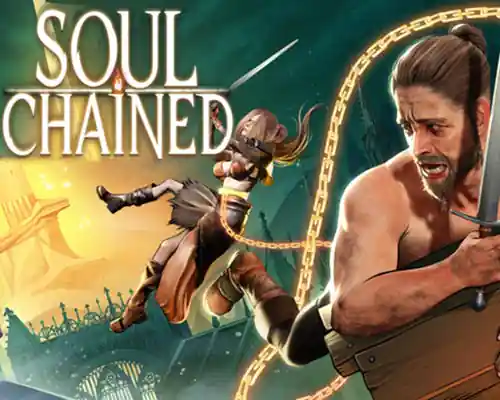
A Very Uncomfortable Trip Through Purgatory
Getting through Purgatory is hard enough without being physically chained to someone who used to be your enemy.
The goal sounds simple: atone for the sins committed during life and climb the enormous Tower of Purgatory. In practice, things rarely go according to plan. The chain can turn a carefully planned attack into a disaster within seconds, especially when one bad pull sends both players flying.
This solo-developer passion project leans heavily into that chaos. Expect questionable decisions, accidental deaths, brutal encounters, and some wonderfully ridiculous physics along the way.
Chain-Based Combat Is the Whole Point
The Soul Chain isn’t just there to make movement awkward. It forms the foundation of combat, exploration, victories, and plenty of embarrassing deaths.
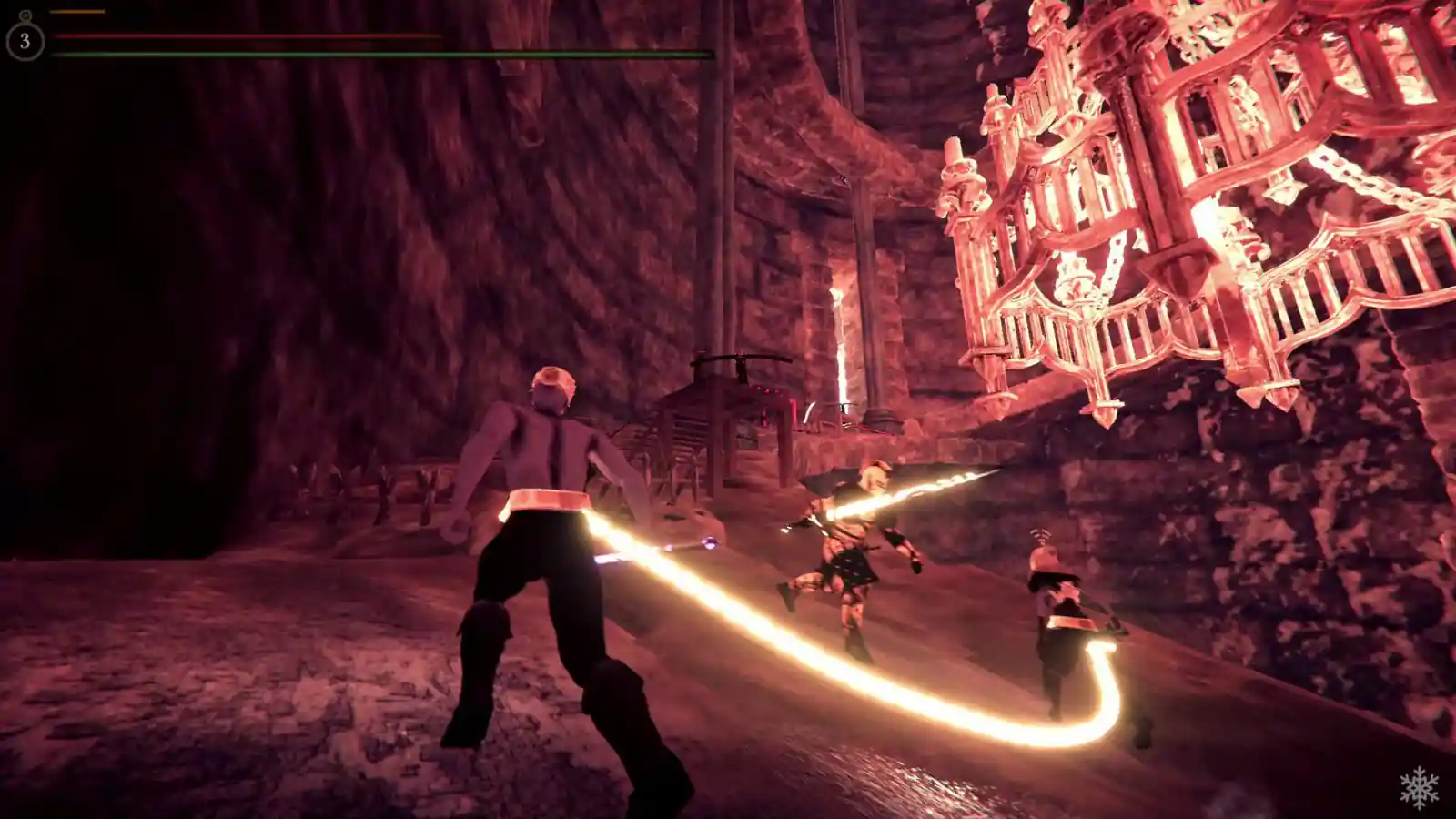
Enemies can be tied together, bosses can be tripped, objects can be launched, and groups of enemies can be clotheslined with the right setup. There are also different weapons, Chain Magic, and stat progression to give the fighting more depth.
Combat still rewards patience. Stamina matters, attacks need to be timed, and endlessly rolling around to escape trouble isn’t exactly the strategy Soul Chained wants you to rely on. Learning how to use the chain properly is a major part of mastering Soul Chained.
Sometimes the system produces an incredible coordinated attack that looks completely intentional. Other times, the chain grabs a teammate at exactly the wrong moment and drags both characters into certain death.
Bosses, Bad Decisions, and Maximum Jank
Each chapter of the Tower ends with a major boss battle. These encounters take the form of enormous manifestations inspired by sin, trauma, regret, or whatever strange idea happened to make it into Soul Chained.
They aren’t gentle. Some bosses can flatten the party, while others are more than happy to knock players straight off a ledge. Every one of them hits hard, so reaching the end of a chapter doesn’t mean the difficult part is over.
Soul Chained also embraces its deliberately rough-around-the-edges personality. Expect bad graphics, ridiculous jiggle physics, and a mysterious Jank slider that apparently does nothing at all.
Bring Friends, If You Dare
Online Havoc Mode supports up to four players, which sounds like it should make climbing the Tower easier. Usually, it just creates more opportunities for things to go wrong in Soul Chained.
More players mean more accidental chain yanks, chaotic rescues, frantic revives, louder voice chat, and plenty of shared failures. Bringing friends turns the climb into a group effort where everyone can suffer together — often because someone pulled the chain at exactly the wrong time.
For anyone who prefers suffering alone, single-player mode is available too.
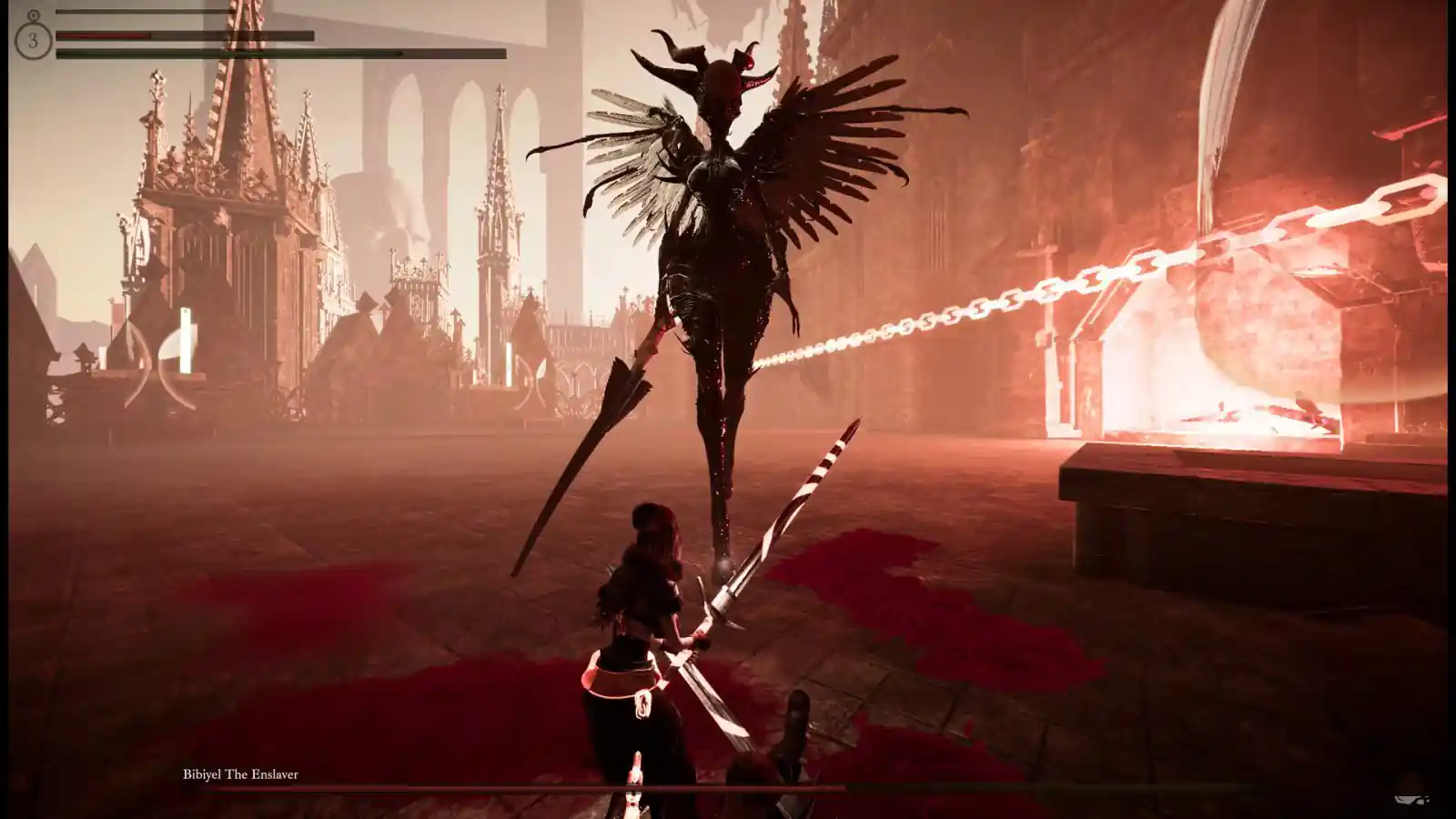
Features of Soul Chained:
- Chain-physics combat that lets players throw enemies — and each other — around.
- Chain Magic, multiple weapons, and stat progression.
- Distinct bosses and unusual enemy encounters.
- Online Havoc Mode for up to four players.
- Plenty of intentionally janky physics and questionable visual choices.
- A Jank slider that, supposedly, does absolutely nothing.
Minimum System Requirements:
- Requires a 64-bit processor and operating system
- OS: Windows 10 and above
- Processor: Intel Core i5 4690
- Memory: 12 GB RAM
- Graphics: Nvidia GeForce GTX 960 4GB or AMD Equivalent
- DirectX: Version 12
- Network: Broadband Internet connection
- Storage: 15 GB available space
- Additional Notes: Local CO-OP mode is more demanding and may need more powerful hardware than the minimum requirements. Local CO-OP also requires 2 controllers. A high-speed internet connection and a good connection between players are required to play online. Havoc modes (3/4 player) are additional modes and will require more powerful hardware than the minimum.
Unlock Download Links
You might also like:
 Chained Echoes PC Free Download (Build 21147338)
- Pro Jank Footy PC (Final)
- Purgatory’s Flower PC Free Download (Final)
- Chained Together PC Free Download (v1.8.6)
- Chained in the Backrooms Free Download (v0.2)
- Machine Tower 2984 PC Free Download (Tenoke)
- Tower Lab PC (Build 25201639)
- Mech Havoc PC Free Download (Build 20695630)